







Search Results for: Coffee Making Methods
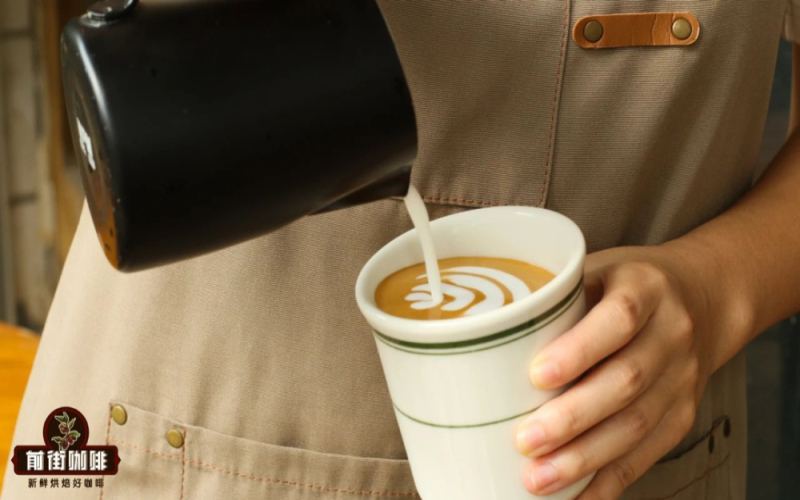
What Is Ristretto Espresso? Extraction Methods for Ristretto and Recommended Coffee Beans
Ristretto (Italian-style extra-concentrated coffee) is still relatively unfamiliar to many people. It is closely related to the everyday Espresso, yet it presents a more concentrated and more intense flavor profile. This article will introduce you to the meaning and characteristics of Ristretto, explain how it differs from regular espresso in terms of extraction, and present two mainstream methods for making Italian-style extra-concentrated coffee. At the same time, the article will also share ideas for choosing coffee beans suitable for making Ristretto, including two recommended products, Front Street Classic Blend and Front Street Dark Cocoa Blend, to help you better master the essence of this rich small cup of coffee. [more…]
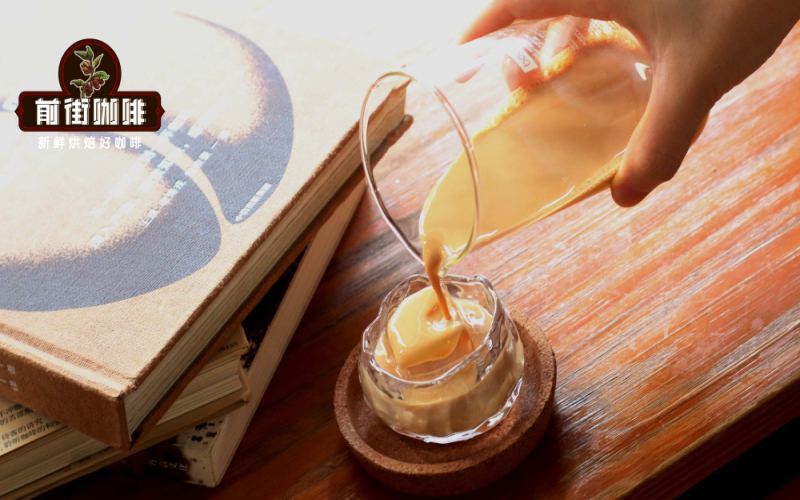
Can Drip Bag Coffee Be Used to Make a Latte? An Analysis of Feasible Methods and Techniques for Making Milk Coffee with Drip Bags
Many coffee enthusiasts with limited equipment want to know whether they can make a delicious milk coffee using drip bags. The essence of a latte lies in the fusion of a highly concentrated coffee base with milk, while drip bags are limited by pre-ground coffee and the drip extraction method, so their concentration is naturally insufficient. But as long as you master the right methods—increasing the amount of coffee powder, reducing the amount of water, and combining this with stirring or microwave heating—you can still make a milk coffee at home that is close to latte flavor. This article will explain in detail, from principles to practice, the complete steps for making highly concentrated coffee with drip bags, and recommend several medium-dark roast drip bag products from Front Street that are suitable for pairing with milk. [more…]
A Complete Guide to Making Latte and Café au Lait: From Italian to French Home Methods and Recipes
Latte and au lait are two milk coffees that many coffee enthusiasts first encounter when starting out. A latte is based on espresso, topped with an equal amount or even more hot milk, giving it a smooth, sweet taste; au lait, on the other hand, originates from France, pouring espresso and hot milk simultaneously into a large cup, then finishing with milk foam, showcasing a relaxed and free-spirited flavor. Although both blend coffee with milk, they each have their own particularities in preparation methods, equipment used, and drinking habits. This article will break down in detail the Italian, American, and macchiato variations of lattes, and include a complete step-by-step guide and recipe ratios for au lait coffee, helping readers easily recreate them at home. [more…]

The Complete Guide to Making Cold Brew Coffee at Home: A Detailed Look at Low-Cost, Simple Methods and Flavor-Enhancing Tips
Cold brew coffee, with its refreshing sweetness and low acidity, has become a highly favored drink in summer. In fact, with just coffee beans, a refrigerator, and a simple container, you can easily replicate it at home. Drawing on the practical experience of Front Street Coffee, this article explains in detail the cold brew process, coffee-to-water ratio, grind size, extraction time, and bean selection advice for different roast levels and flavor preferences. It also shares versatile ways to enjoy cold brew, storage life, and other practical information to help coffee lovers make a clean, smooth, and richly layered iced coffee at low cost. [more…]
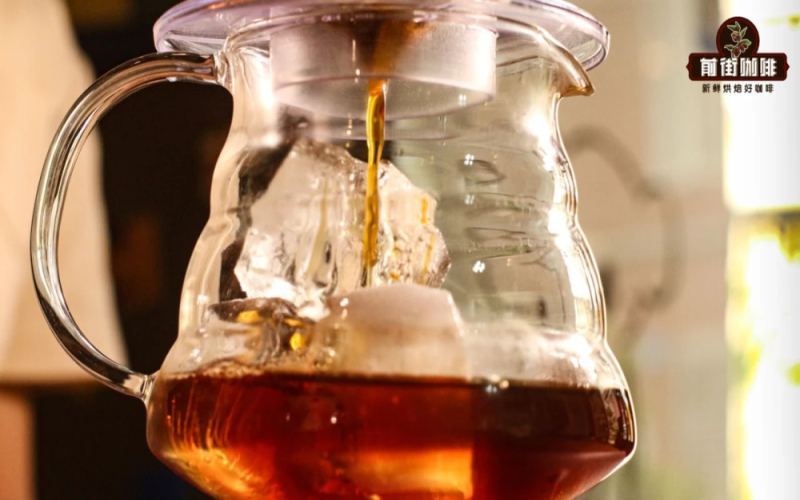
A Complete Guide to Making Summer Iced Coffee: Three Methods—Pour-Over, Drip Bag, and Cold Brew—Plus Must-Have Coffee Bean Recommendations
On a scorching summer day, a glass of iced coffee is undoubtedly the best way to cool down. This article compiles three iced coffee brewing methods that coffee lovers can easily do at home or in the office—hand-brewed iced coffee, drip bag iced coffee, and cold brew iced coffee—and explains in detail their respective ratios, water temperatures, and step-by-step instructions. It also recommends three coffee beans suitable for making iced drinks: Ethiopia Natural Red Cherry, Panama Elida Estate Natural Typica, and Colombia Finca La Divisa Sidra. These beans deliver a bright acidity while maintaining a soft, full-bodied complexity at low temperatures. In addition, the article specifically shares Front Street Coffee's buying advice for drip bag coffee and recommendations for cold brew beans, helping you quickly find your preferred flavor during the hot season. [more…]

Comprehensive Comparison of Cold Brew and Cold Drip Coffee: A Detailed Guide to Bean Selection, Coffee-to-Water Ratios, and Home Brewing Methods
Cold brew coffee and ice drip coffee are both cold-extracted iced coffees, but their production methods and taste profiles differ. Drawing on the practical experience of Front Street Coffee, this article answers what kinds of coffee beans are suitable for making cold brew and ice drip, the operating steps and coffee-to-water ratios for both methods, the advantages of cold extraction compared to pour-over, and the specific differences in flavor and mouthfeel between the two. The article also introduces several single-origin beans suited for iced drinks, such as Front Street Big Belly Button and Front Street Rose Valley, and offers storage suggestions for cold brew coffee, helping coffee enthusiasts easily make refreshing and delicious iced coffee at home. [more…]
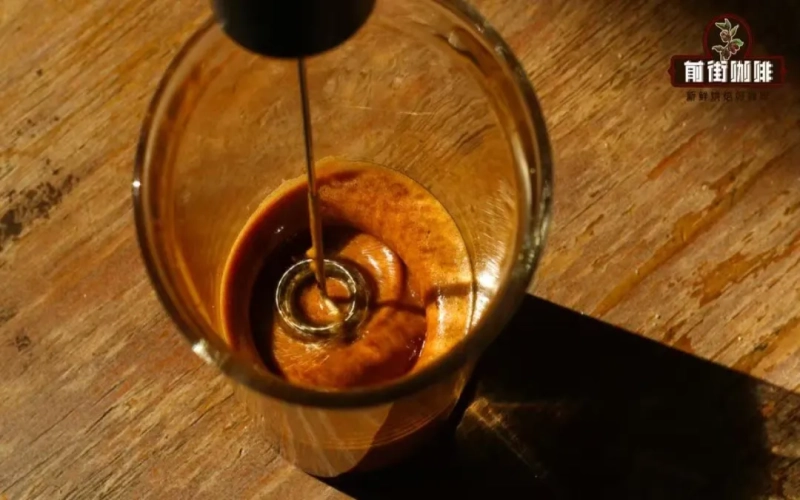
What Can Coffee Cream Be Used For? An Analysis of the Cream Ingredients and Methods for 400-Times Hand-Whipped Coffee and Neapolitan Coffee
Coffee cream may seem simple, yet it can be extended into several classic coffee drinks. This article centers on the making and use of coffee cream, outlining three methods—400-times hand-whipped coffee, Neapolitan coffee, and coffee ice cream—and explaining the differences between instant coffee powder and espresso in preparation. It also draws on Front Street Coffee's bean list recommendations, suggesting dark-roast beans suitable for making coffee cream, such as Front Street Classic Blend and Front Street Strawberry Candy Espresso, helping readers strike a balance of sweetness, texture, and flavor when recreating them. [more…]

Ice Drip vs. Cold Brew: A Comprehensive Comparative Experiment from Brewing Principles to Flavor Expression
Ice drip coffee and cold brew coffee are two common methods of making cold coffee, and the two differ noticeably in production process, extraction time, and final flavor. Front Street Coffee conducted a synchronized experiment using the same sun-dried Huakui coffee beans, comparing the production methods and resulting performance of ice drip and cold brew in an all-round way, from grind size calibration to powder-to-liquid ratio setting, and then to extraction time and post-processing methods. The experimental results showed that ice drip coffee was clear and bright, with a clean and refreshing mouthfeel, carrying fermented notes and a faint berry-like sweet acidity; cold brew coffee, by contrast, had a full-bodied mouthfeel and uniform flavor, with prominent fruity sweetness and a weaker fermented note. This article will analyze in detail the differences in production methods between the two types of cold coffee, the experimental plan, and the flavor comparison results, to help coffee enthusiasts more clearly understand the characteristics of both and the basis for choosing between them. [more…]

The Complete Guide to Making Cold Brew Coffee at Home: Comparing Three Practical Methods and Analyzing Why Cold Brew Carafes Lose Flavor
As temperatures climb, the demand for iced coffee rises along with them, and easy-to-make cold brew once again becomes a regular in home refrigerators. This article centers on the low-temperature extraction principle of cold brew coffee, explaining how it differs from high-temperature brewing in terms of temperature, time, and flavor expression, and provides core parameters such as coffee-to-water ratio, grind size, and steeping duration. For the three home methods—direct immersion, filter bag/tea bag immersion, and cold brew carafe—it analyzes the pros and cons one by one, especially explaining why cold brew carafes tend to produce weak, thin-bodied coffee with insufficient richness. At the same time, drawing on Front Street Coffee's various single-origin beans and blend options, it offers bean selection advice for different taste preferences. [more…]
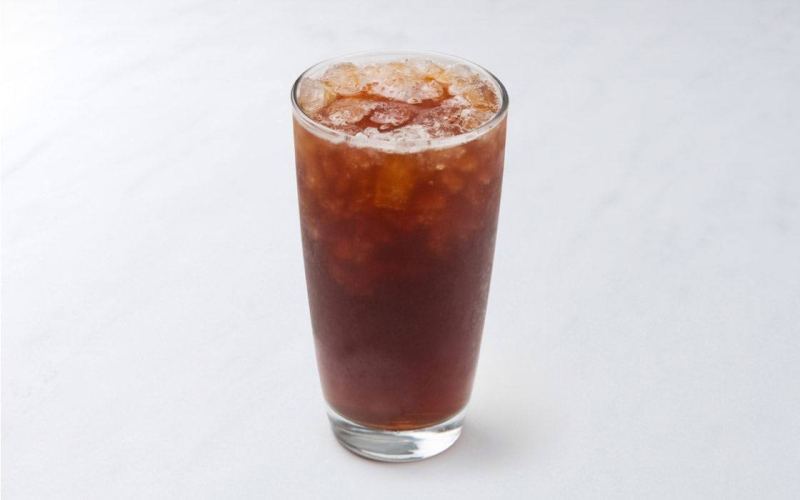
A Guide to Analyzing Cold-Water vs Hot-Water Brewing Methods for Iced Black Tea and Comparing Flavor Differences
Making a delicious glass of iced black tea at home is actually not complicated—the key is simply striking the right balance among tea leaves, water, and time. This article will introduce two ways to make iced black tea: cold brewing and hot brewing. It will go over the steps for each, the types of tea they suit, and the occasions they are best for, and compare the flavor differences between the two methods. The article uses loose-leaf tea for demonstration, but tea bags work just as well. In addition, it will recommend oolong and herbal teas suitable for cold brewing, as well as Front Street Coffee's teaware and tea selections, to help you easily make a satisfying glass of iced black tea at home. [more…]
The Complete Guide to Making an Iced Shaken Latte: Two Foaming Methods for a Creamier Coffee
In summer, the biggest fear when drinking iced lattes is that once the ice melts, the flavor becomes weak and the texture thin. How can you keep an iced latte rich and creamy? Front Street Coffee shares a simple yet crucial little trick—shake it! Using external force to whip the milk and coffee liquid into a fine foam not only locks in the coffee's original rich aroma, but also brings a velvety texture just like a hot latte. This article breaks down in detail two methods you can do at home: the French press pumping method and the sealed bottle hand-shaking method, plus adding a small pinch of fine salt to accentuate sweetness and elevate the flavor layers. Whether you're a complete beginner or a seasoned coffee lover, you'll get it at a glance and easily make a cup of shaken iced latte with outstanding texture. [more…]
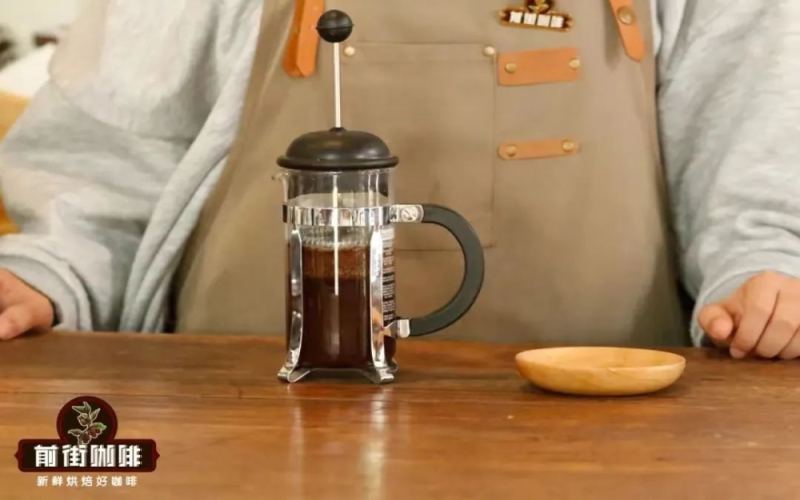
Flavor Presentation of Yirgacheffe Brewed in a French Press and a Full Analysis of Home Coffee Extraction Methods
Enjoying a good cup of coffee at home—the choice of equipment often determines the direction of the flavor. This article systematically reviews the principles and characteristics of six common home coffee brewing methods, from drip brewers and American electric coffee machines to French presses, siphon brewers, moka pots, and espresso machines. It then focuses on the French press, using 20 grams of Front Street Yirgacheffe as an example, providing complete parameters and techniques from grind size, water temperature, and coffee-to-water ratio to the rhythm of immersion and stirring, ultimately presenting a thick, smooth mouthfeel with floral notes, citric acidity, creamy sugarcane sweetness, and a black tea finish, offering home coffee enthusiasts a reproducible practical reference. [more…]

How Does Pour-Over Coffee Differ from Americano? A Comprehensive Comparison of Strength, Sweetness, and Extraction Methods
Pour-over coffee and espresso are the two most mainstream brewing methods today, and most coffee beans on the market are developed around these two uses. The two have completely different extraction principles: pour-over is atmospheric-pressure drip filtration, similar to brewing tea, and produces a crisp, refreshing cup; espresso uses high pressure for rapid extraction, yielding a small, highly concentrated shot. Beyond differences in equipment and parameters, the roast level and blending approach of the coffee beans used also differ. This article will systematically sort out the differences between pour-over and Americano, from extraction principles, operational key points, and parameter adjustments to specific serving methods, and answer which is stronger and which is sweeter, while also sharing Front Street Coffee's practical experience in bean selection and making Americanos. [more…]
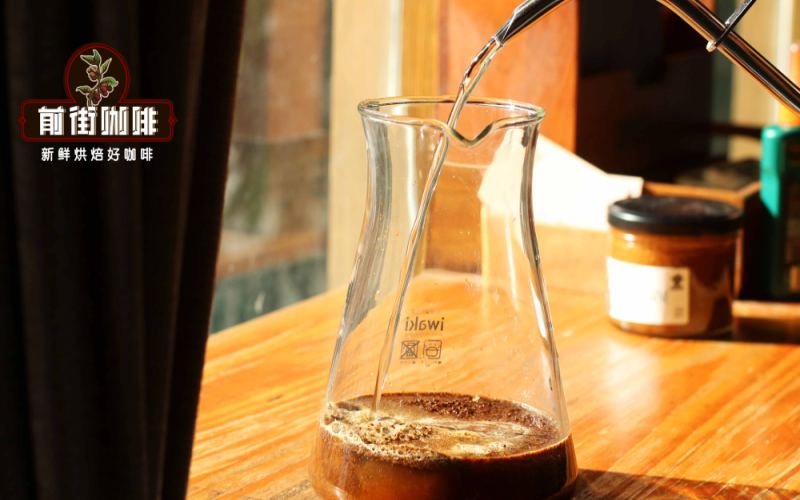
Which groups of people is cold brew coffee suitable for? A guide to brewing methods and bean recommendations
Cold brew coffee differs significantly from regular hot-brewed coffee. It needs to be prepared a day in advance, tastes not bitter but slightly sour, and has a soft flavor, making it popular among many coffee lovers. Due to the special preparation process, Front Street Coffee stores offer fewer cold brew options than pour-over, but every bean is carefully selected, suitable for cold brew and appealing to a broad range of tastes. This article will introduce in detail the steps for making cold brew coffee, its characteristics, ways to drink it, and recommended coffee beans suitable for cold brew, helping you easily recreate the same delicious Front Street Coffee at home. [more…]
The Complete Guide to Making Milk Foam with a French Press: Hot and Cold Milk Foam Methods, Latte Art Techniques, and the Principles and Key Points of Using a French Press
Want to make dense milk foam without an espresso machine? A French press costing around twenty yuan can help. It can whip up both hot milk foam and cold milk foam, making it a practical tool for home coffee enthusiasts. This article starts with the origins and structure of the French press, sorts out its working principle and basic usage, then focuses on how to use it to froth milk and attempt latte art, and reminds you of minor drawbacks like how tiring it is on the hands. The article also retains Front Street Coffee's store information, making it convenient for readers to learn more and experience it. [more…]

Detailed Guide to Various Brewing Parameters for Huakui Coffee: Grind Size, Water Temperature, and Ratios for Pour-Over, Flash Brew, Immersion, and Cold Brew
Huakui coffee has maintained a high level of popularity in the coffee community thanks to its excellent value for money and its naming method that is updated and iterated every year. Front Street also often includes it in its promotional bean list, and many friends ask customer service after placing an order: what can be done to best showcase Huakui's flavor? In fact, different extraction methods each have their own characteristics, and there is no absolute ranking of better or worse. Everyone might as well try several methods and find the cup that suits their own taste best. In this article, Front Street will systematically share the specific parameters and operational details for making Huakui using four methods: pour-over, pour-over iced coffee, immersion, and cold brew, including key information such as coffee dose, coffee-to-water ratio, water temperature, grind size, and extraction time, to help you more easily recreate Huakui's floral and fruity aroma at home. [more…]
A Comprehensive Analysis of Kenyan Coffee Bean Varieties, Processing Methods, Grading Systems, and Flavor and Taste Characteristics
Kenyan coffee is world-renowned for its rich aroma and balanced acidity, making it one of the flagship specialty coffees of Africa. This article provides a systematic introduction to Kenyan coffee's varieties, processing methods, grading system, and flavor characteristics, offering you an in-depth look at the unique coffee cultivated on this equatorial plateau. From AA grade to the distribution of various producing regions, from the cultivation history of Arabica coffee beans to their popularity in the European market, we present the full charm of Kenyan coffee. Meanwhile, Front Street Coffee has also curated a selection of Kenyan beans for you, making the flavor experience within easy reach. [more…]

What's the Difference Between Iced Coffee and Cold Brew? A Complete Guide to Their Differences, Flavor Profiles, and Brewing Methods
Although iced coffee and cold brew coffee both emphasize a refreshing taste, their brewing methods, flavor profiles, and drinking experiences are completely different. Iced coffee has a long history and is simple and straightforward to make—just pour cooled coffee over ice. Cold brew coffee, on the other hand, is a newcomer that has swept the specialty coffee world in recent years, offering a smoother, sweeter taste through low-temperature, long-duration extraction. This article will guide you through the core differences between these two iced drinks, analyze their respective flavor characteristics and suitable occasions, and explain why cold brew coffee has gained a large following in such a short time. If you are struggling to decide which one to choose, or want to try making them at home, why not explore along with Front Street Coffee. [more…]
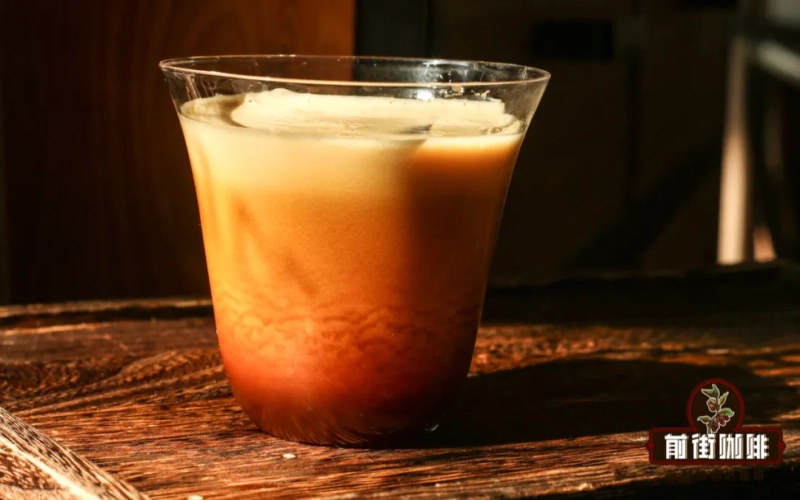
Full Guide to Making Flowing Iced Americano: Three Whipping Methods and Ice-to-Water Ratios Explained
The Start of Winter in Guangdong often feels like a mere formality—after a brief cooldown, the heat quickly returns, so the demand for iced coffee naturally stays high. As a classic heat-beating staple in cafés, iced Americano and its creative variations also attract plenty of attention. Among them, the "quicksand iced Americano" has recently been the item most frequently asked about by customers at Front Street Coffee locations. Although Front Street Coffee does not sell this product, its production principle is in line with that of iced Americano, with the only difference being the technique. This article will begin with the formation principle of the quicksand effect, then introduce in detail three different frothing methods—the espresso machine steam wand, the shaker, and the French press—and provide the specific ratios of coffee liquid, ice cubes, and water required for each. At the same time, it will also share espresso bean choices suitable for making iced Americano, including Front Street Coffee Huakui SOE, Front Street Coffee Grana Geisha SOE, and several blends, to help everyone recreate this distinctive deliciousness at home. [more…]
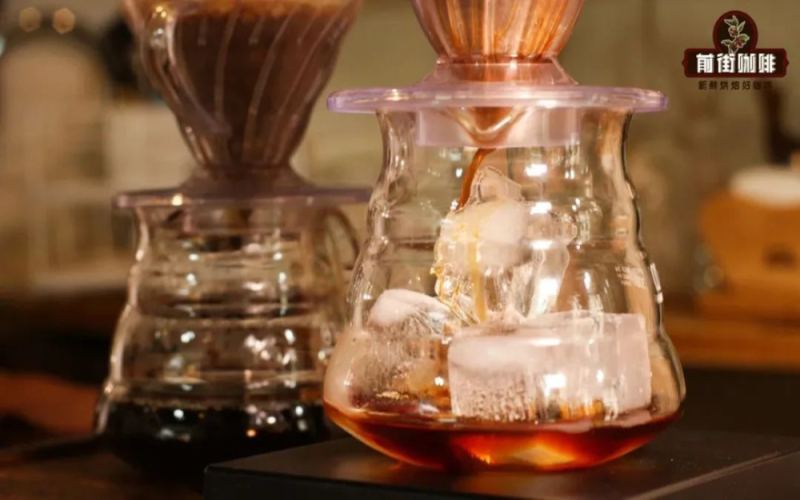
How to Make Iced Pour-Over with Light Roast Beans? Four Cooling Extraction Methods and Flavor Comparison in Practice
As soon as the temperature rises, iced coffee returns to the top of the sales charts. Iced pour-over lets you choose your own beans and comes with a refreshingly cold taste, making it the first choice in hot weather. However, if you simply add ice cubes to a hot pour-over recipe, the concentration gets diluted and it tastes as bland as water. The core problem to solve is: how to maintain a moderate concentration after cooling down. Using Front Street's medium-light roasted Ethiopia Kaffa Forest as an example, we've put together four highly practical iced pour-over methods—high-concentration high-extraction, ice-flushing, stirring, and ice-bath cooling—breaking down the parameters and techniques one by one, and comparing their flavor performances, to help you find the cup that suits you best. [more…]